
William Malherbe
(French/American 1884-1951)
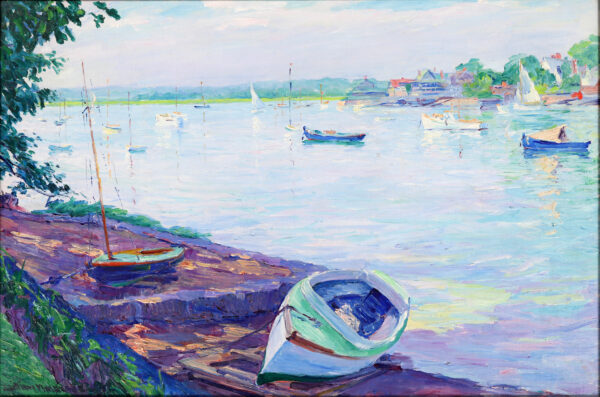
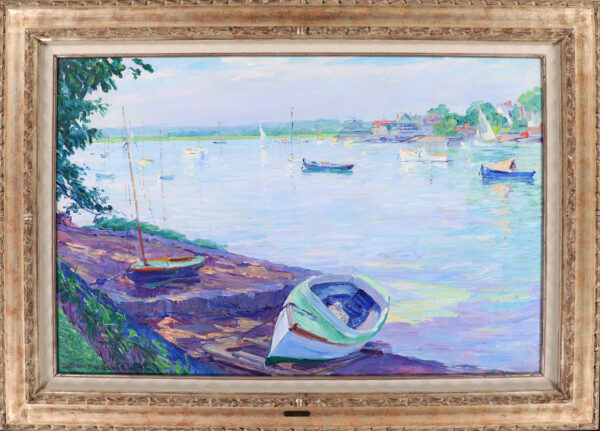
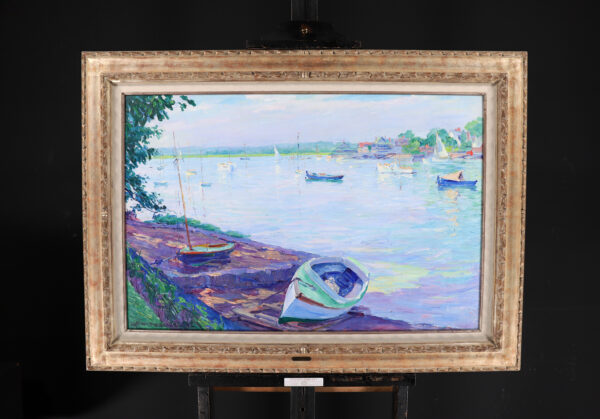
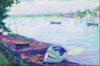
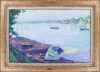
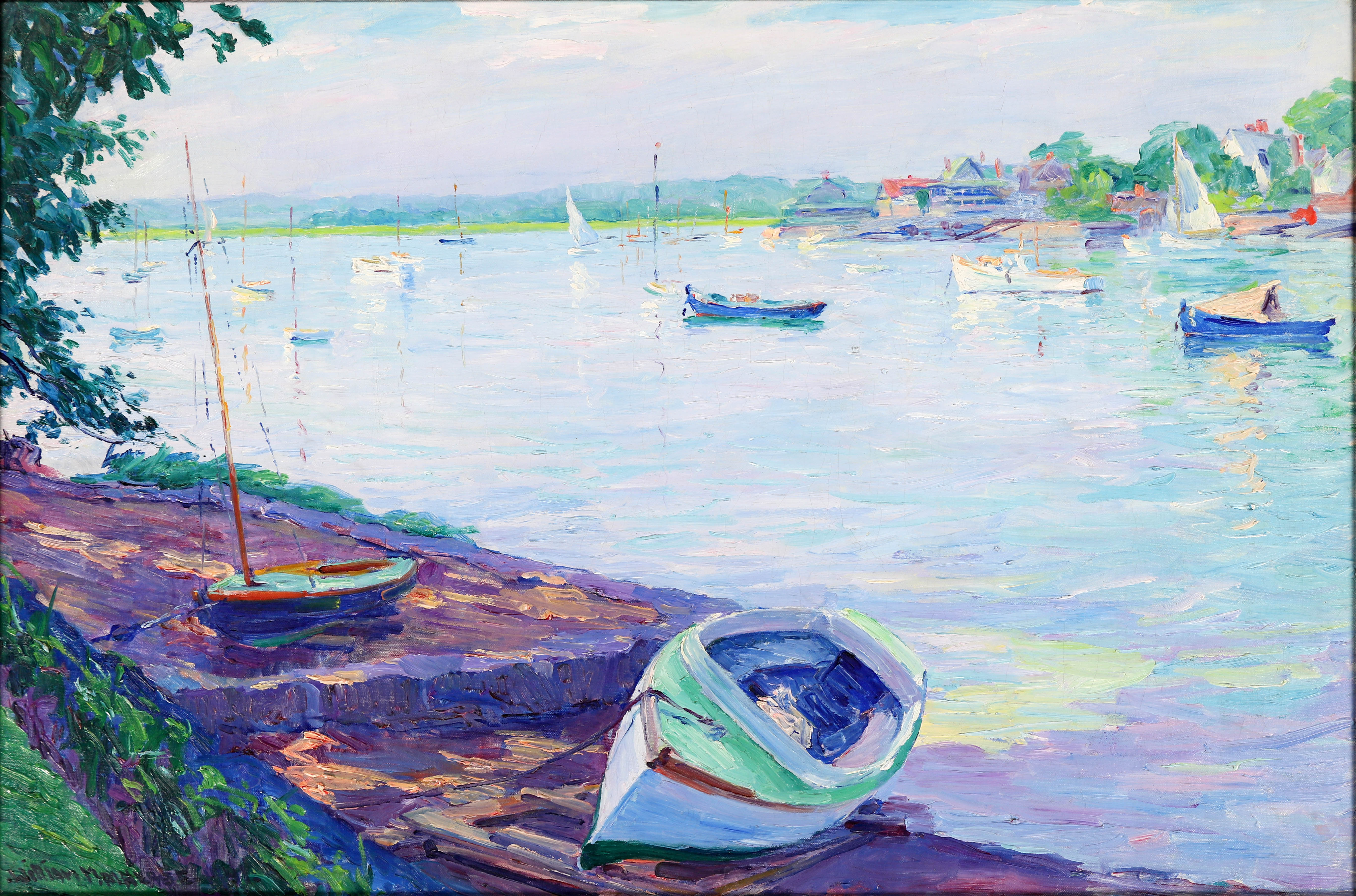
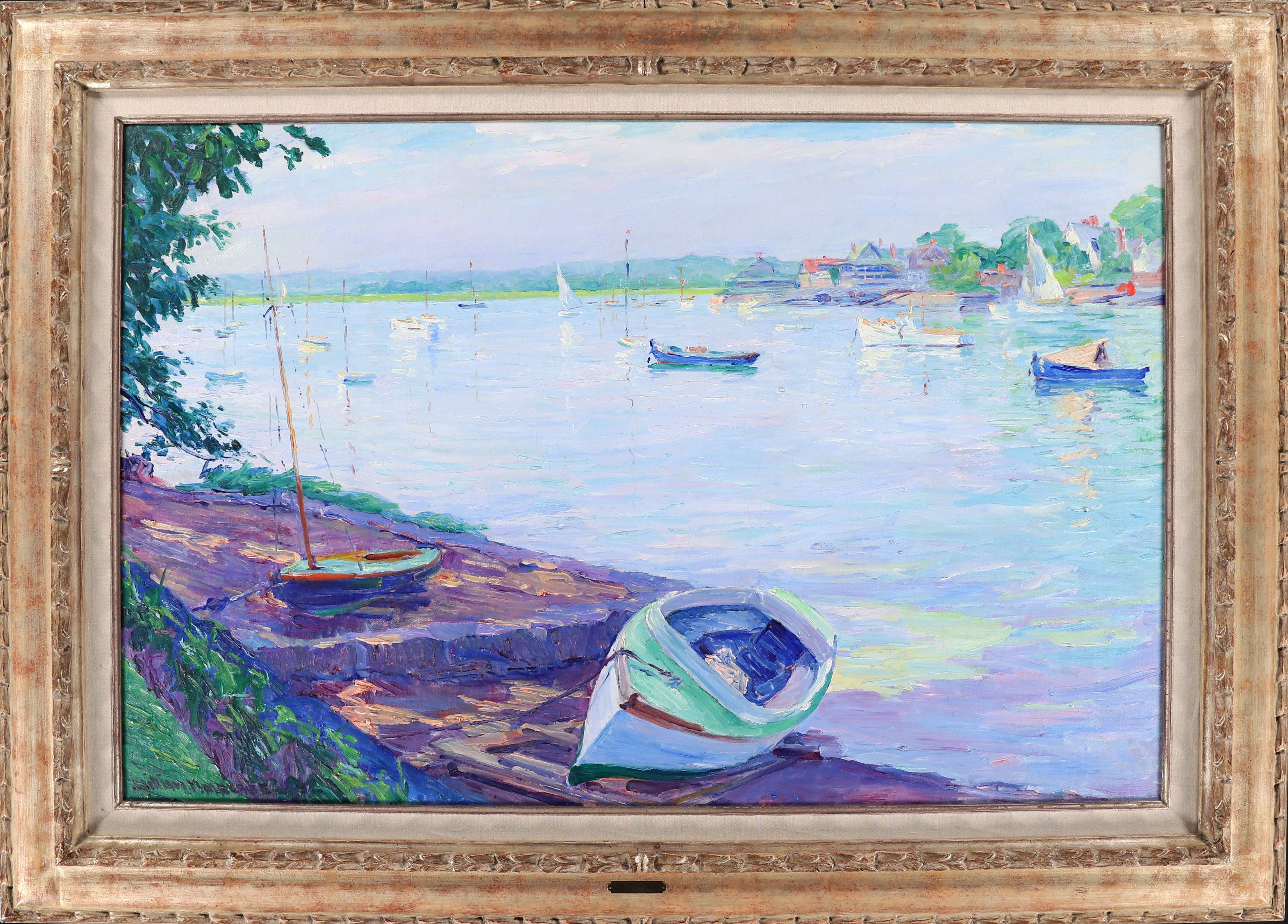
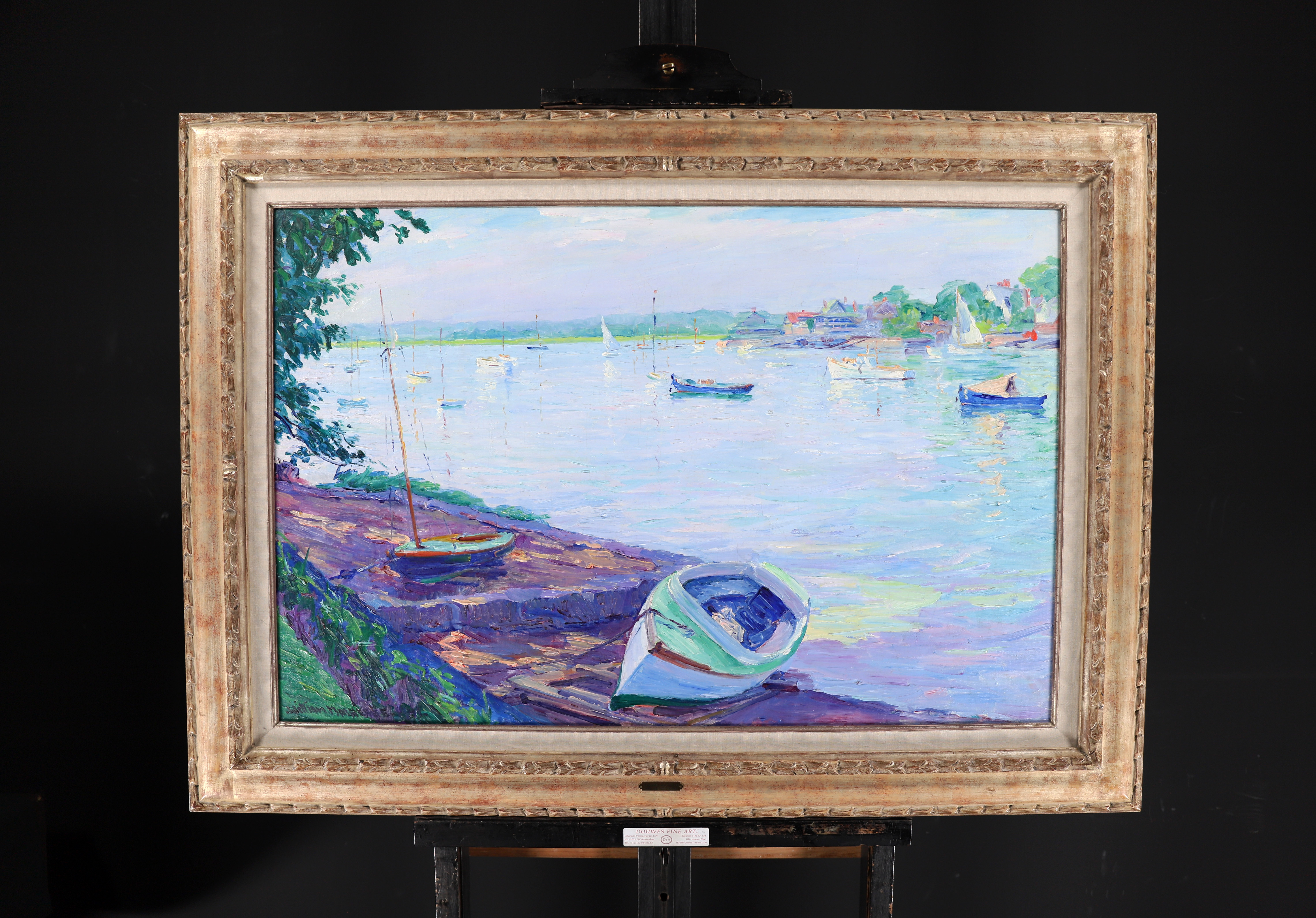
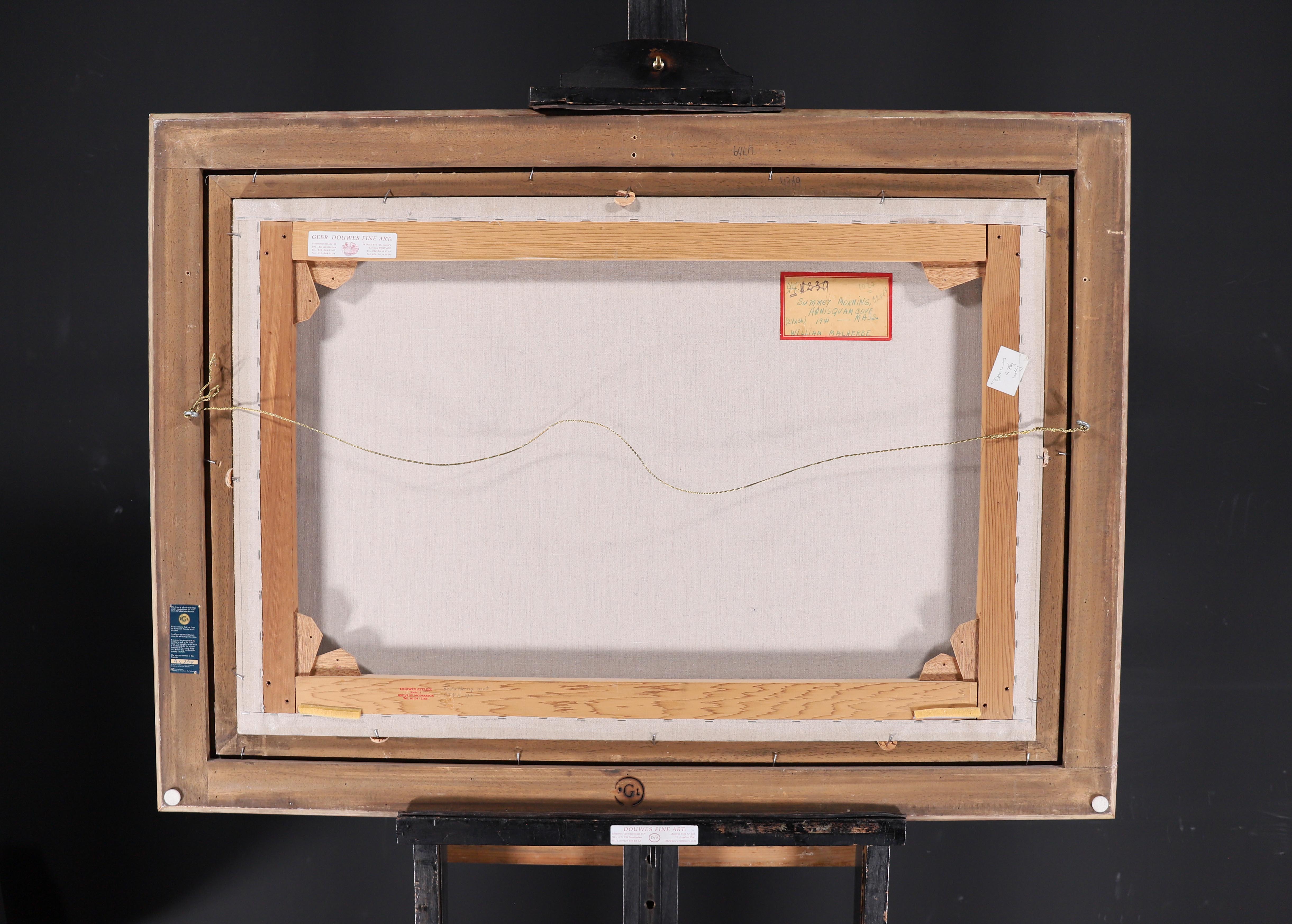
“Summer Morning, Annisquam Cove, Cape Ann, Massachusetts”, 1941
Oil on canvas: 60 x 91,5 cm;
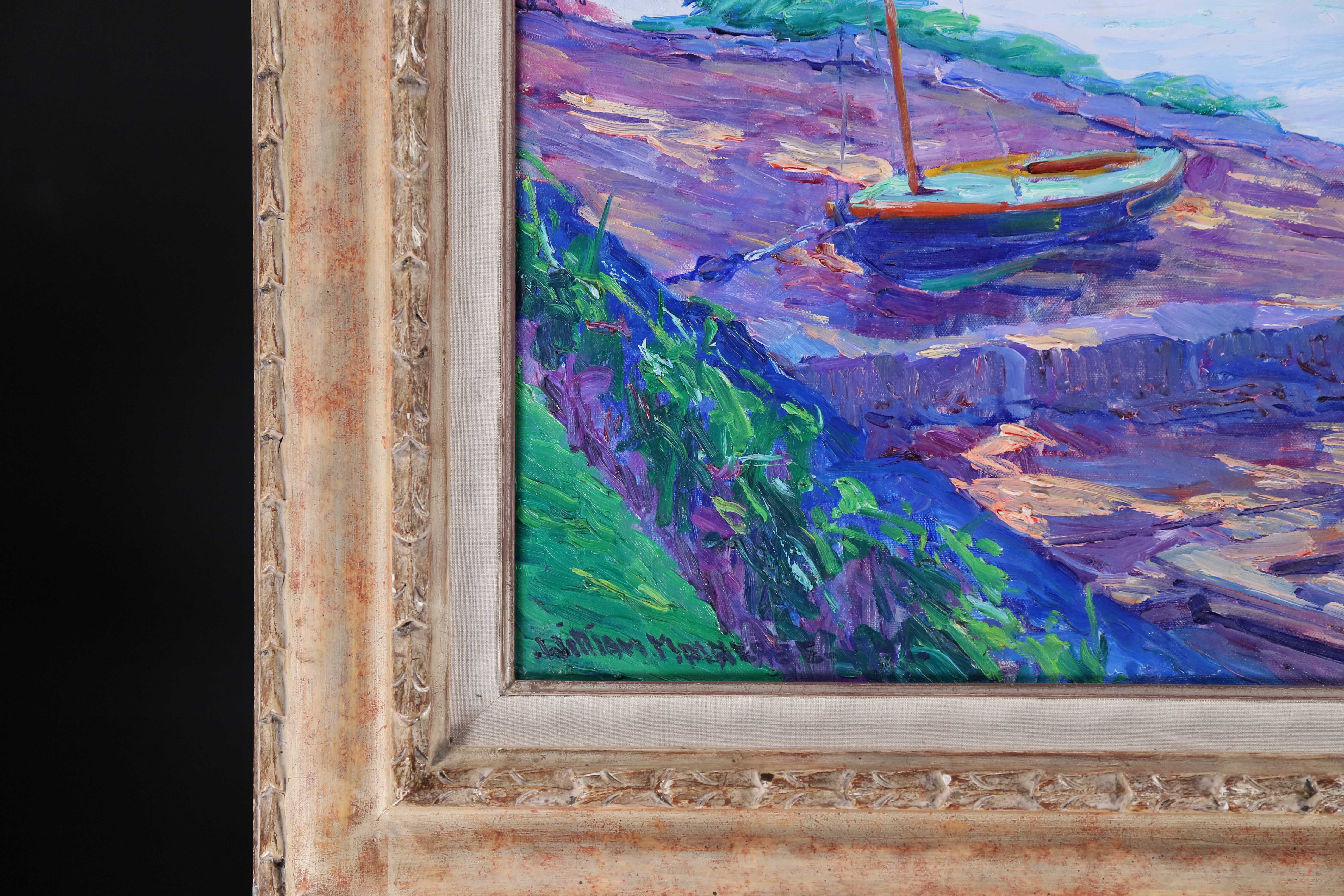
signed and dated 1941
"*" indicates required fields
Between 1939 and 1948 William Malherbe stayed in the United States.
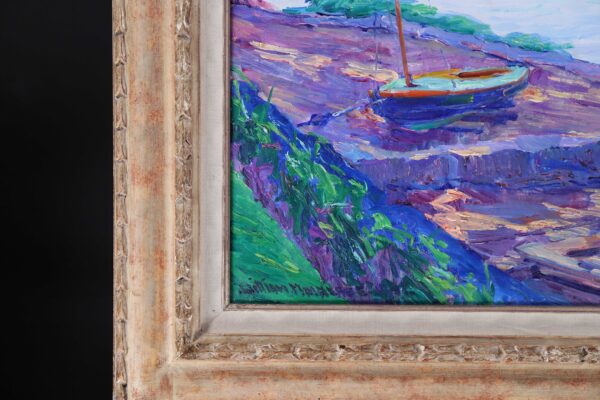
It was at the mid-point of his stay that he executed this piece. Obviously he was inspired by the bright sunlight of the day and the scenic view before him.
He used very thick paint in jewel-toned colours to create a pulsating surface reminiscent of Bellow’s landscapes, especially in the use of purples and brilliant greens.
William Malherbe was born in the town of Senlis, France, 1884. He first started to exhibit his works in Paris at eighteen years old. Where he studied architecture for a year and a half at the School of Decorative Arts. Throughout his career Malherbe experimented with numerous styles, including; Cubism, Fauvism, Post-impressionism and Neo-impressionism. Through his experimentation, he developed his renowned personal style.
Malherbe is known for his use jewel toned colours, with which he created vivid surfaces within his florals, landscapes and figurative images. His unique personal style created his artistic legacy, where he began to be exhibited regularly at the Salon d’Automne from 1920 onwards. His exhibitions continued in galleries including Durand-Raul, Bernheim-Jeune and Wildenstein, New York amongst others. Malherbe ended up receiving numerous distinctions including Chevalier de la Legion d’Honneur.
In 1939, Malherbe emigrated to New York city, where later in 1948, he moved to a farm in Thetford Vermont. His exhibitions at the Corcoran Gallery were highly successful, showcasing his colourful post-impressionist perspective of Vermont. While some regard Malherbe as an American artist, his work remains deeply rooted in French post-Impressionist tradition of Bonnard and late Renoir.
Malherbe unique personal style remains to be singled out by artists and historians alike. Where his celebrated artworks continue to impact the world of art.