
Jacob Maris
(The Hague 1837 – 1899 - Karlsbad)
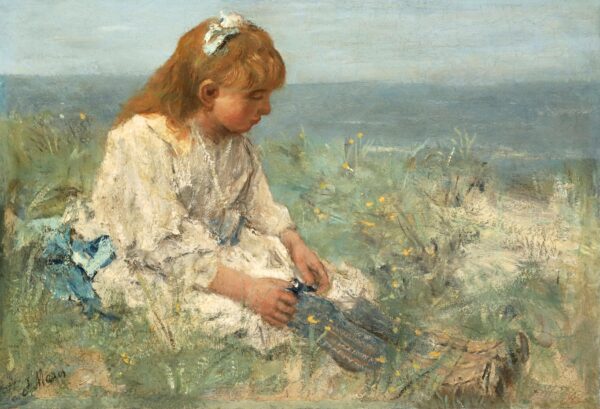
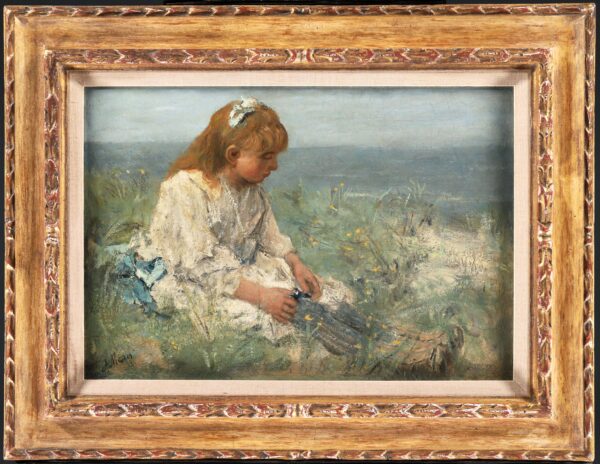
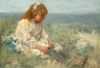
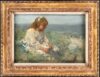
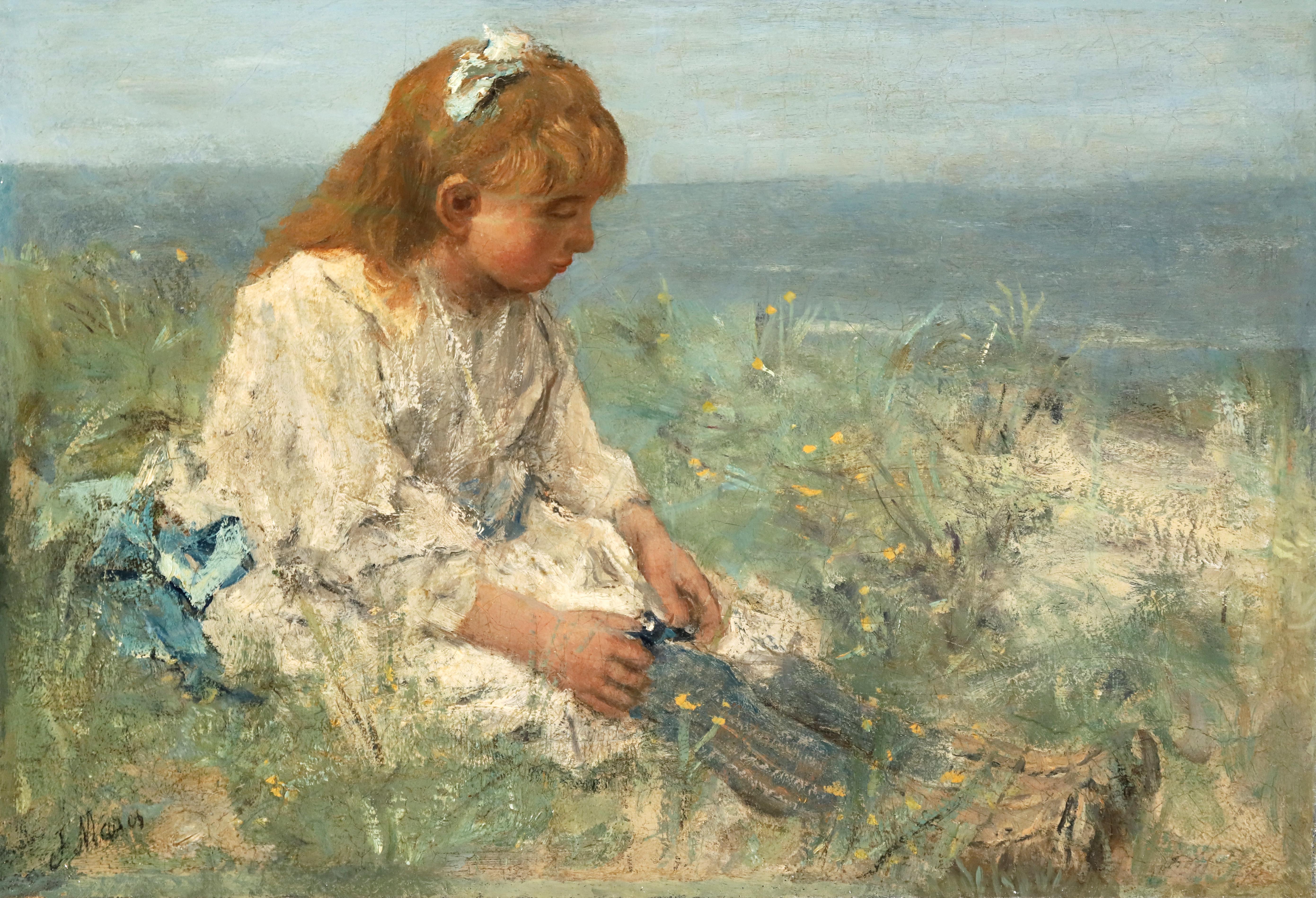
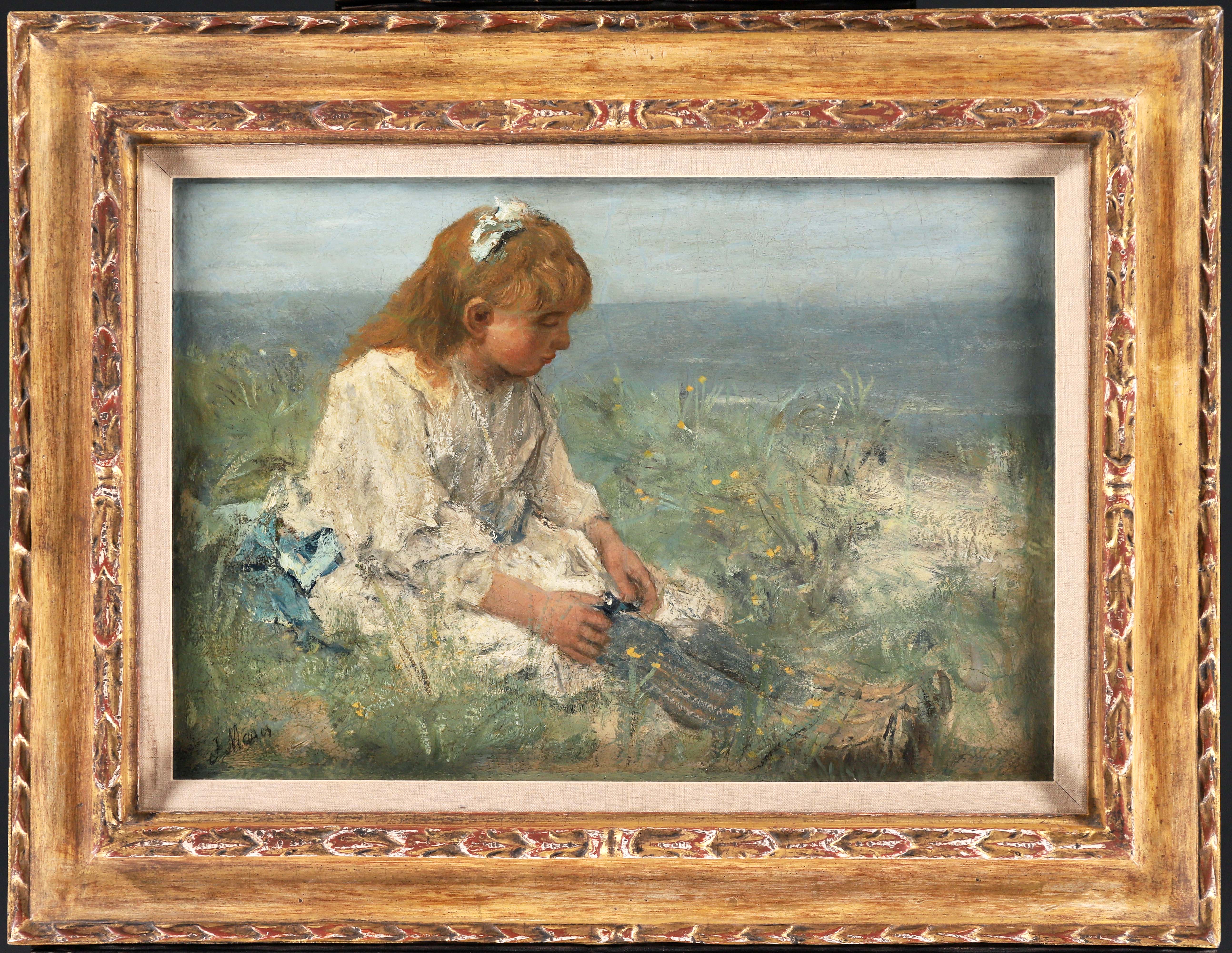
“Daydreaming in the dunes”
Oil on canvas: 30,5 x 44,5 cm
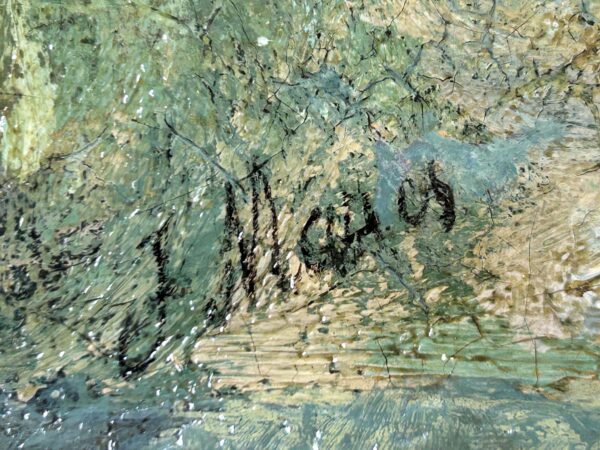
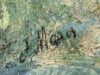
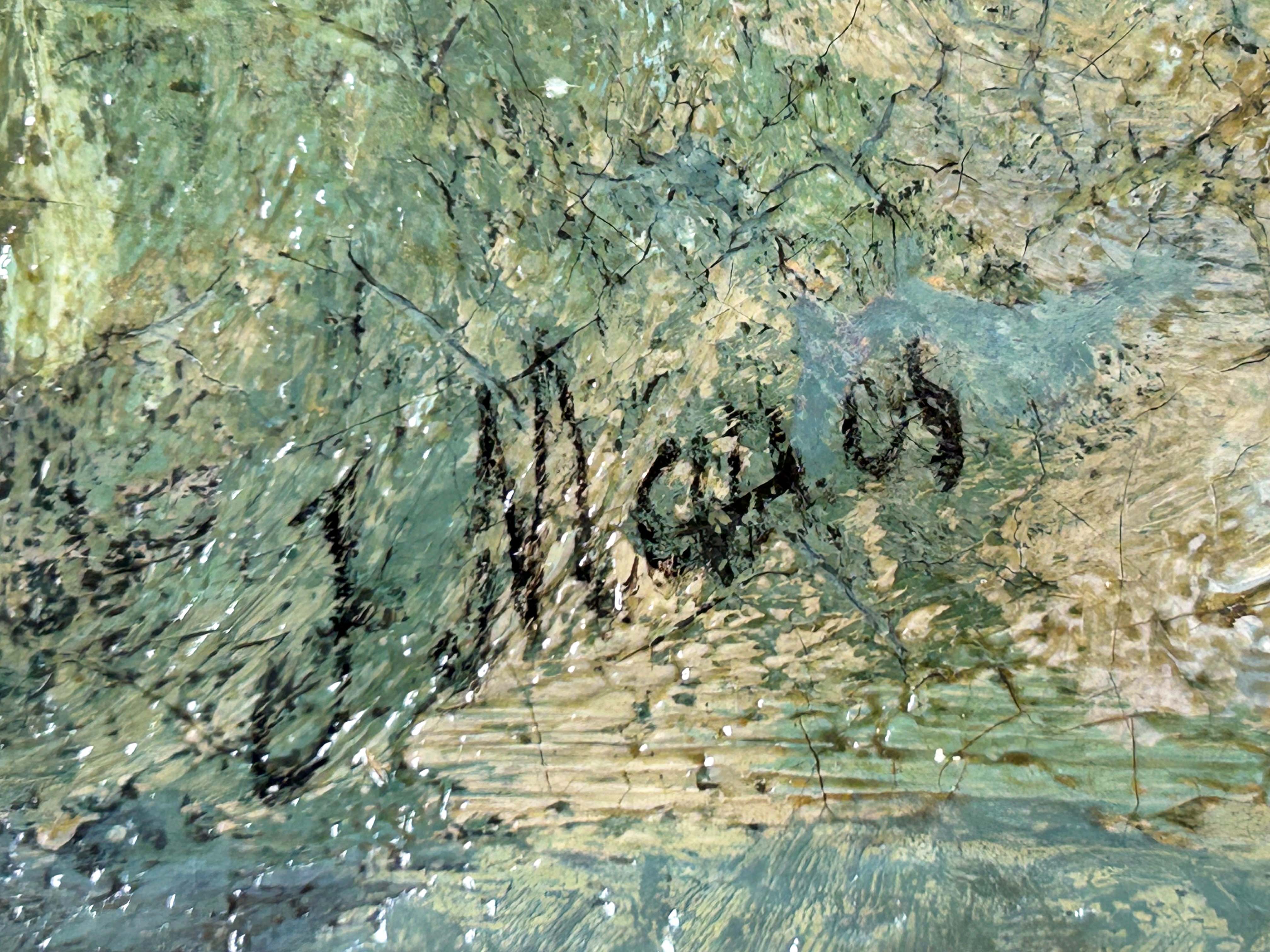
Signed J Maris (lower left)
"*" indicates required fields
Notes
A review in a Dutch newspaper of 21 August 1894 described the present painting at an exhibition at Kunsthandel Oldenzeel as follows: ‘(…) it depicts a girl—a child of wealthy parents—in the dunes, fastening a garter with her plump little hands. This pure painting is a joyful symphony of bluish blondness. A delicate, spotless blue sky; beneath it, the sea—a deeper blue with streaks of green—a turquoise expanse; and before it, rising high, the blonde dune, covered in bluish-green marram grass that spreads softly across the pale sand. Here, high above that gentle sea, nestled in the soft, yielding sand, sits this delightful child with a delicate, downy face and radiant, silky hair held back by a light-blue ribbon. Her fine white dress, ending well above her calves, is cinched at the waist by a broad blue sash; and her plump little hands—exquisite little hands!—are busy refastening the strap that had come undone while she was walking or playing…’ (accorded in the archives of the RKD, The Hague).
The art critics who were Jacob Maris’ contemporaries referred to him as the greatest painter of his age. One of Holland’s leading critics on Dutch 19th century paintings, Mrs. G.H. Marius, places Maris alongside Ruysdael, Vermeer, De Hoogh and Rembrandt. Jacob Maris earned this reputation by becoming the Impressionist interpreter of Dutch mills, beaches, town views and vast cloudy skies over meandering rivers. He instigated a new direction in Dutch painting by the rigour of his compositions, uncomplicated use of colour, dramatic lighting and, most notably, his broad and confident handling of paint, innovating the modeling of the impasto (very thickly applied layers of paint that provides texture). He loved to paint for the sake of it. ‘I think in my material’ is a famous quote by Maris.
Provenance
- Kunstzaal Oldenzeel, The Hague, 1894
- Joh. L. Koch, Rotterdam, 1899
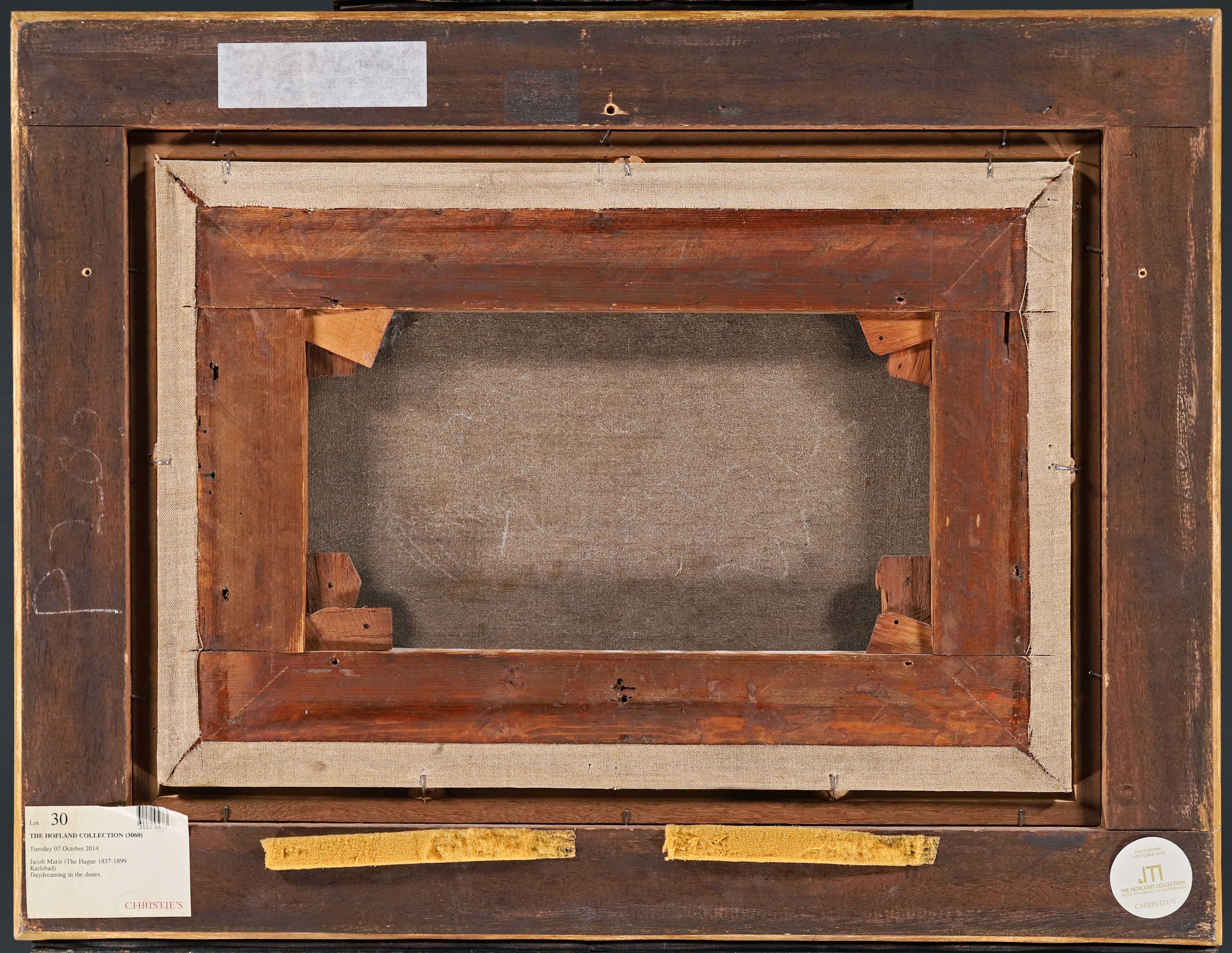
- Anonymous sale; Frederik Muller, Amsterdam, 5 April 1921, lot 42.
- Acquired from the above sale by Kunsthandel E.J. van Wisselingh & Co., Amsterdam, inv.no. 4395 (Dfl. 3,200).
- Acquired from the above by Gallery M. Knoedler & Co., New York, by 1923.
- Kunsthandel Pieter A. Scheen, The Hague, by 1980, where acquired by the family of the present owners.
Literature
- de Bock, Jacob Maris, Amsterdam, 1903, p. 45.
- Jan Jaap Heij, Hollands impressionisme, Bussum, 2013, p. 38.
Exhibition
- The Hague, Pulchri Studio, Eere-tentoonstelling Jacob Maris, 7 October 1899–January 1900, no. 52 (where dated circa 1883).
- Laren, Singer Museum, Hollands impressionisme, 30 May–25 August 2013.