
Isaac Israels
(Amsterdam 1865 - 1934 The Hague)
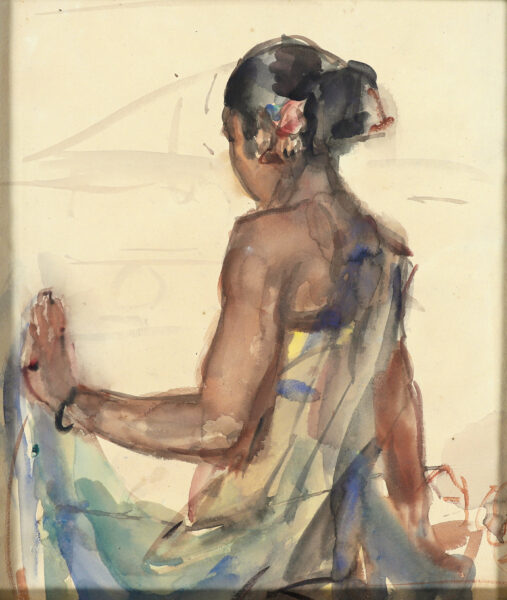
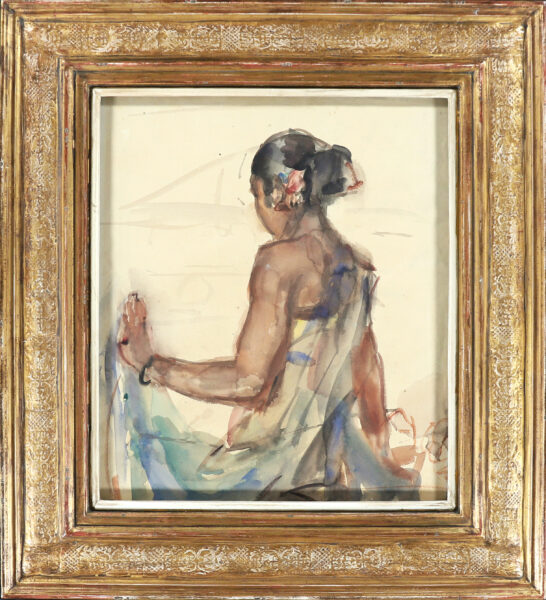
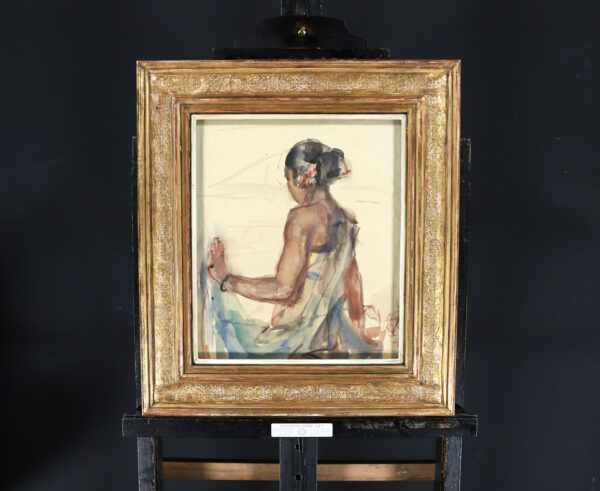
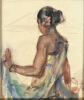
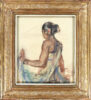
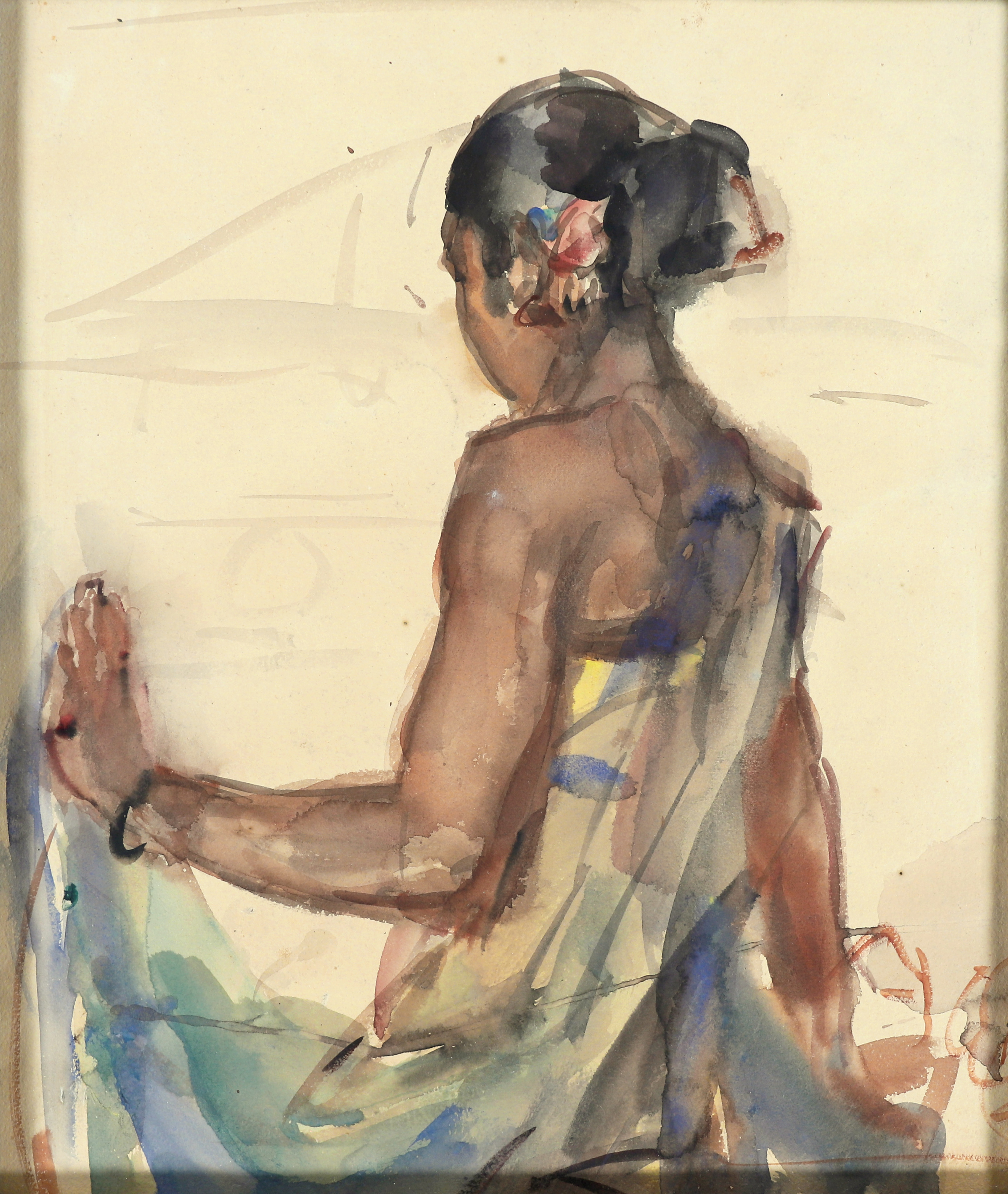
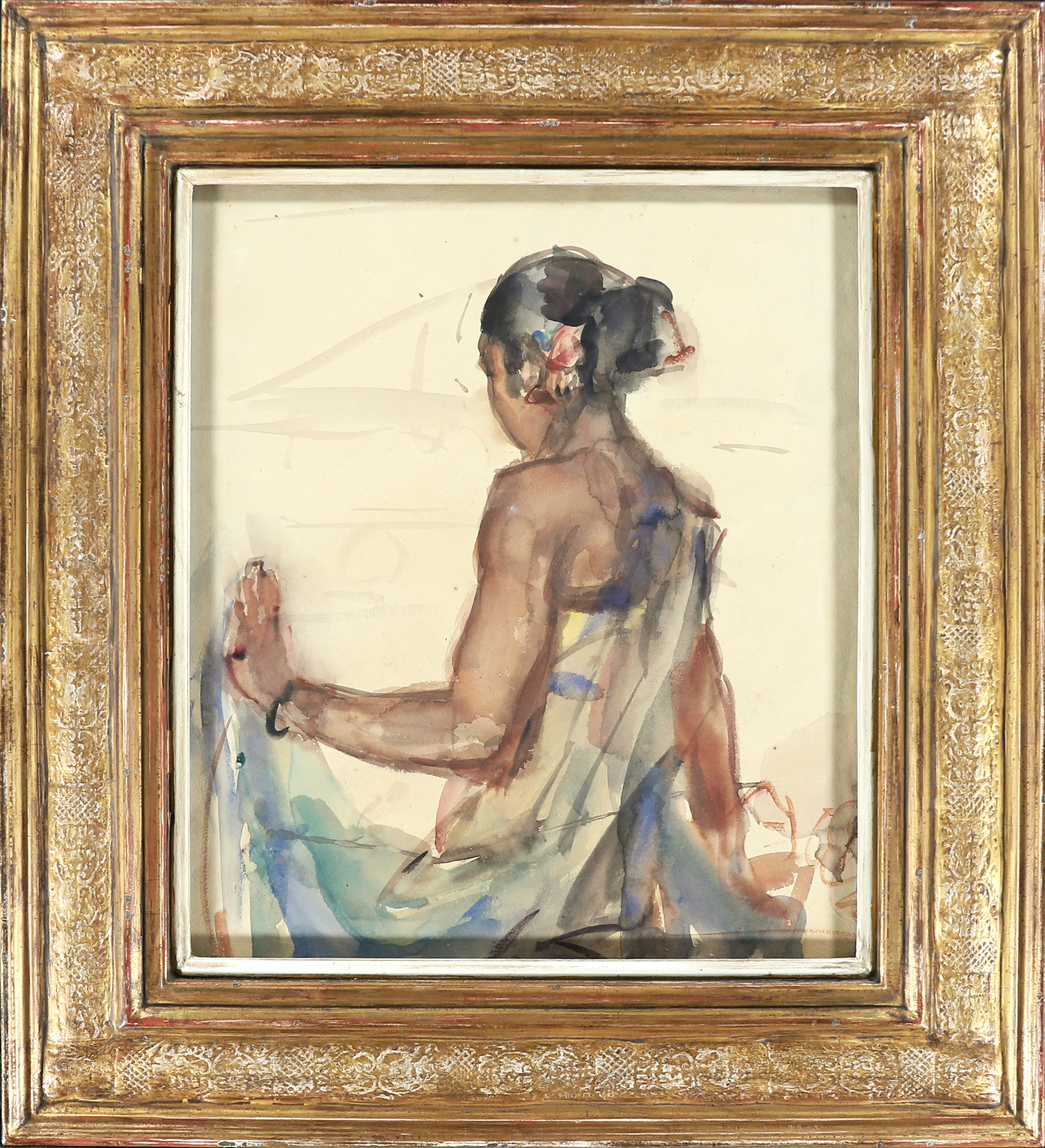
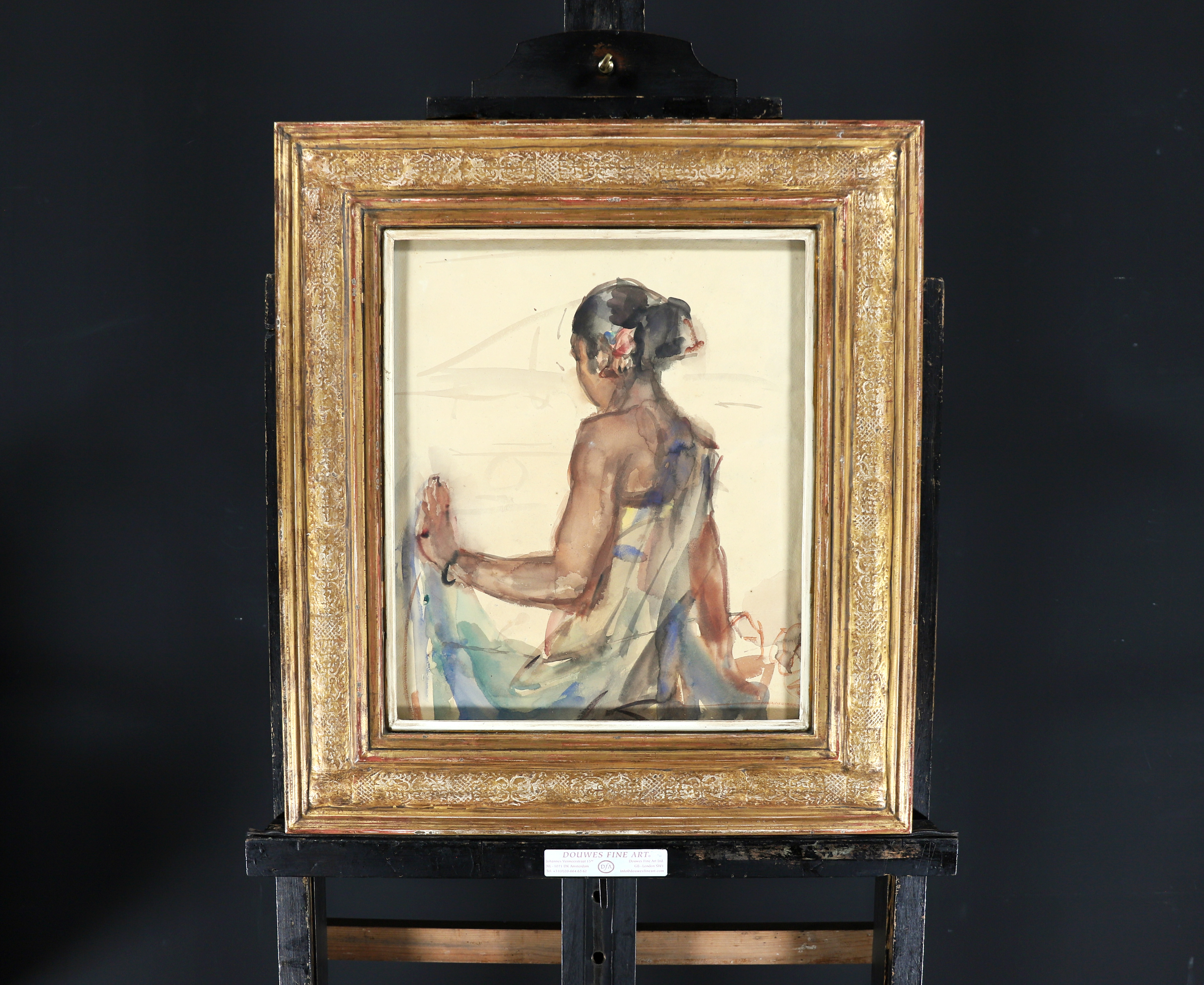
“A Javanese Dancer”, c. 1921-1922
Watercolour on paper: 41,5 x 34 cm
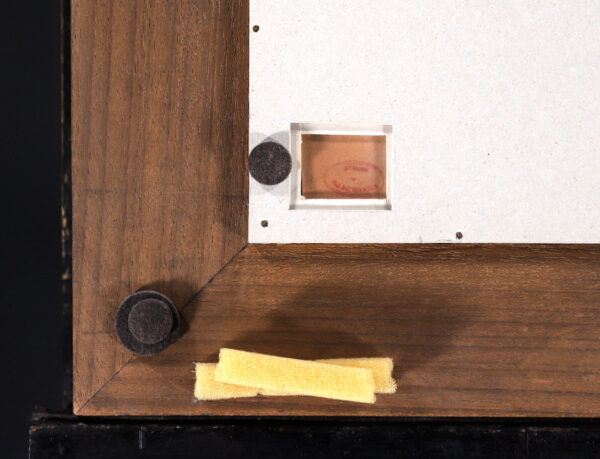
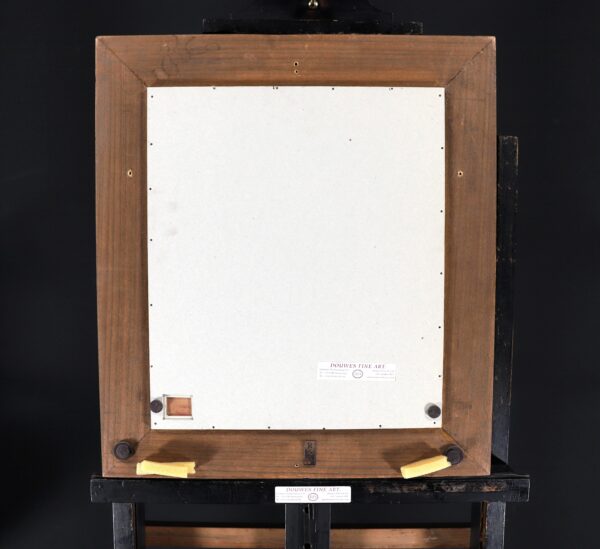
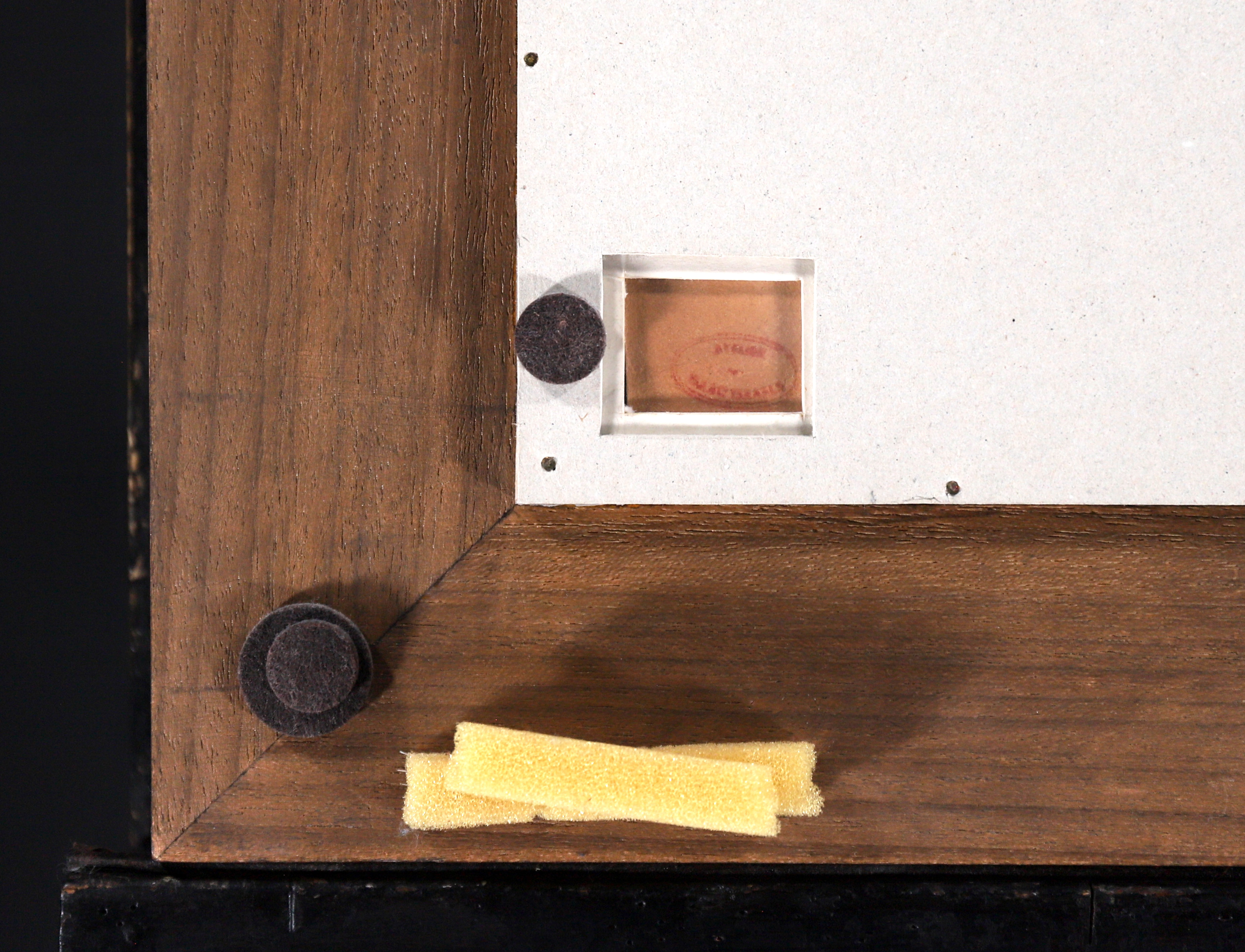
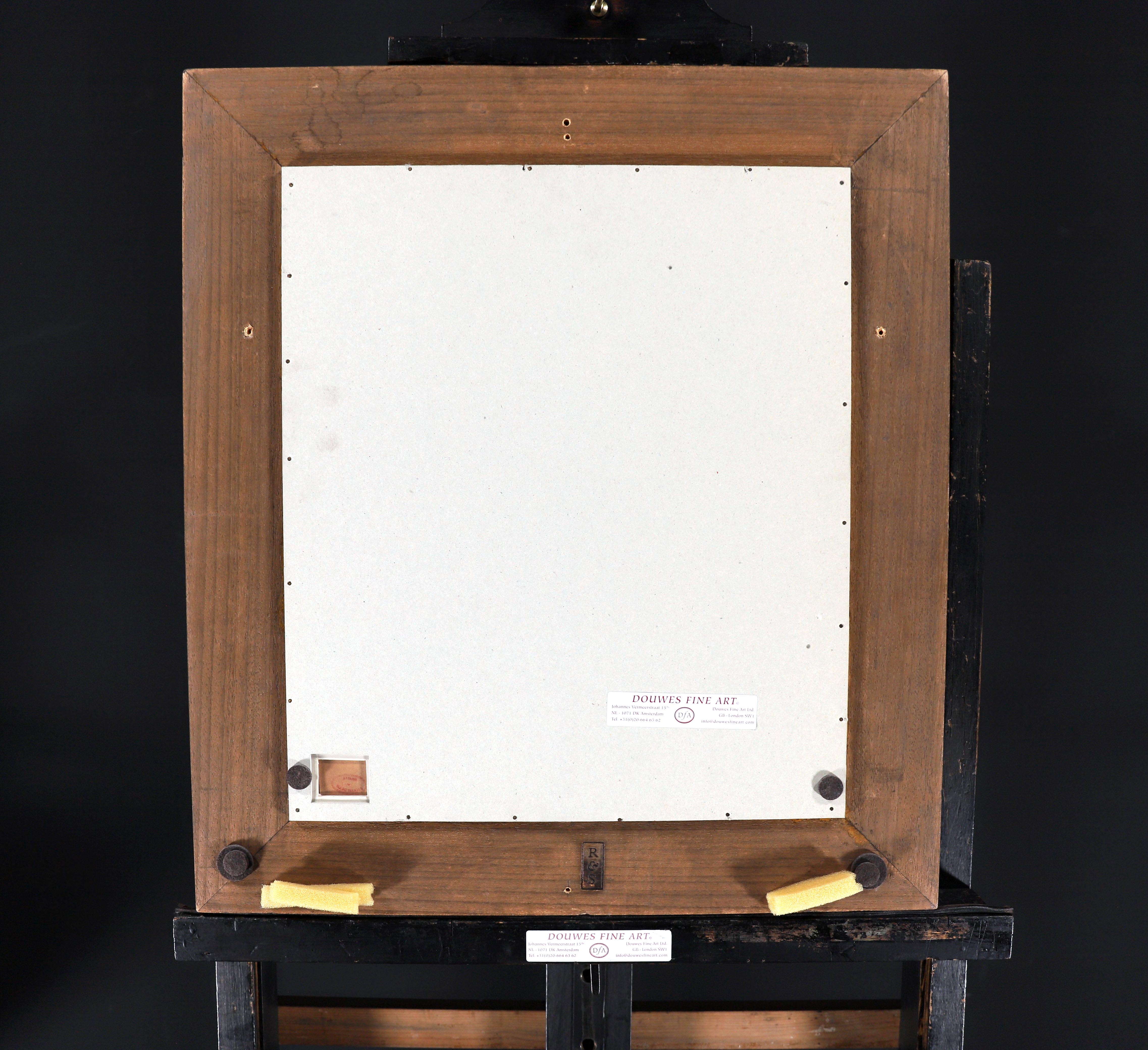
Stamped on the reverse with Israels atelier stamp.
"*" indicates required fields
Notes
Isaac Israels is recognised to be one of the leading artists of the Dutch Impressionist movement. Born in Amsterdam, he moved with his family to The Hague in 1872. There his father Josef, one of the most prominent representatives of The Hague School, taught him the fundamentals of painting. Isaac was proven to be very talented, he breathed and lived art. In 1877-1880 he briefly studied at the Fine Art Academy in The Hague. In 1881 he made his debut at the Exhibition of Living Masters in The Hague. His unfinished work “Practising the signal” (now in the Mesdag-Van Houten Collection) was purchased by the renowned painter and a friend of his father Hendrik Willem Mesdag.
Isaac’s need to distinguish himself from his father and his search for an authentic style led him to Amsterdam. There, during his enrolment at the National Academy for Fine Arts, Isaac studied with his future best friend and greatest rival George Hendrik Breitner (1857-1923). Both, inspired by the fleeting moments of city life, soon become known as Amsterdam Impressionists.
From the late 1870s Isaac Israels visited the Salon des Artistes in Paris annually with his family. He became familiar with young and innovative Parisian artists such as Toulouse-Lautrec (1864-1902) and Edgar Degas (1834-1917).
Israels eventually moved from Amsterdam to Paris in 1903, where he remained for years. During these years he created numerous impressions of urban life. It is very likely that his fascination with the night life as a subject was sparked by his Parisian contemporaries.
Israels set sail for Batavia (now Jakarta, Indonesia) in October 1921 and stayed in the region for nearly a year (visiting Batavia, Bogor, Yogyakarta and Bali). He spent time at the Mangkunegara court, a Royal Palace of central Java, where he was introduced by the famous Javanese dancer Raden Mas Jodjana, whom he befriended and painted several times back in Europe. This was his first and only trip to Java and it inspired him immensely.
In this lovely watercolour, Israels shows a young dancer from behind, with her head turned in partial profile. Her dark hair is gathered in a konde and set with red blossoms, and her shoulders are bare. She lifts the dance sash with her right hand, fingers spread, in the poised, deliberate gesture of Javanese court dance. Israels left the paper’s warm tone to supply light and atmosphere, and fixed a fleeting moment of movement rather that a finished description.
It is believed this watercolour could have been from his trip to Java in 1921-1922, as his Dutch-studio Indonesian subjects of 1915-196 were mostly male. It was also much harder to find female court dancers in full costume in the Netherlands during that time. Furthermore, the flowered hairstyle, clothing and sash gesture fit the setting of the Mangkunegara court, where he painted many court dancers. Lastly, the warm, sunlit tones also match the brighter palette of his 1921-1922 works.
Provenance
- Art Gallery Gerard, Wassenaar
- Private collection, the Netherlands